

How a Virtual Exchange Turned Into a Global Leadership Journey | Groundbreakers
A Young Leader’s Journey Across Cultures

This piece is part of CRG’s May Global Youth Leadership series, spotlighting young leaders shaping global change today.
Written by Chanelle McKenzie, an alumna of a Stevens Initiative virtual exchange program. As a TEFL-certified educator, she has taught students across the globe in Malaysia, Poland, and China, and has conducted virtual English language classes for students in Ukraine and Chile. Utilizing the intercultural dialogue and leadership skills gained through the Stevens Initiative Alumni Academy, Chanelle focuses on building meaningful connections and shared curiosity within her classrooms and her peers.
When I first joined a Stevens Initiative virtual exchange, I expected structured conversations, something academic, maybe even a little distant but informative nonetheless. What I didn’t expect was how quickly it would feel real. The biggest surprise wasn’t just that I connected with peers from another country, but how naturally those connections formed over the smallest, most unexpected things.
I’m from New York, and somehow, that became my bridge to my peers. We found ourselves talking about places like Central Park, the energy of Chinatown, the creativity of Brooklyn, and the art inside the Metropolitan Museum of Art. Even Broadway came up, something I had come to realize I always took for granted. We even talked about the iconic show “Sex and the City”, and I remember being genuinely caught off guard. I had never considered that people outside of the United States were watching it, analyzing it, and connecting it to their own perceptions of Manhattan culture. It made me truly realize that the media I grew up with wasn’t just mine, it was something global, and that made it even more fantastic!
The biggest surprise wasn’t just that I connected with peers from another country, but how naturally those connections formed over the smallest, most unexpected things.
What made it so meaningful was that we were far and close in age. Despite being in different countries, we were navigating similar stages of life. Thinking about our futures, our identities, and what we want to become. It didn’t feel like a formal exchange; it felt like real conversations between peers trying to understand the world together.
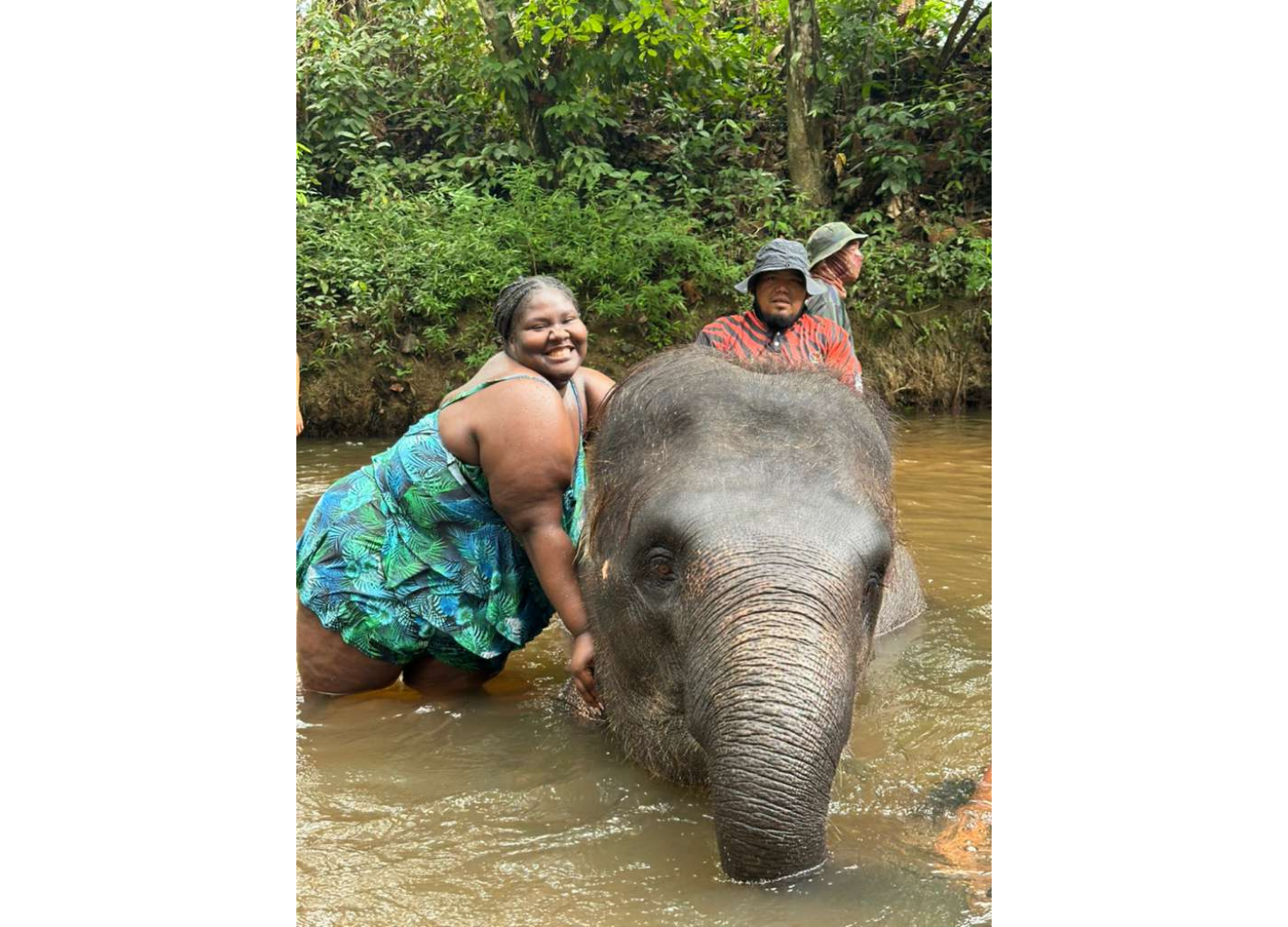
That understanding followed me into my journey as an educator. In Malaysia, where I first taught, I worked with elementary-aged children. In that classroom, I relied more on authority. Structure, control, and clear direction were necessary. But everything changed when I began teaching in China.
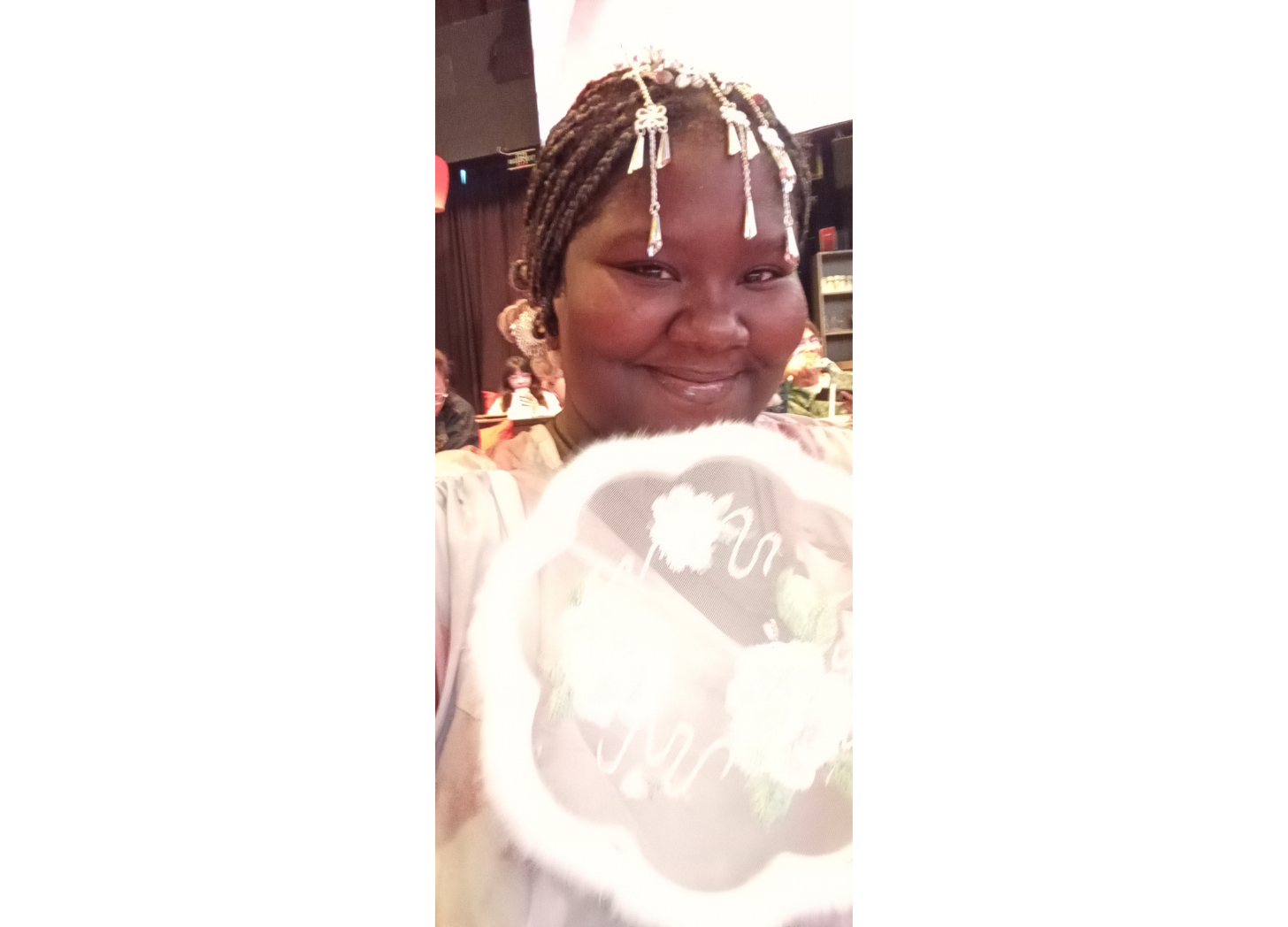
Now, I stand in front of college students who are only five years younger than me. At 23, teaching 18 and 19-year-olds felt truly intimidating. In the beginning, I was a nervous wreck. I struggled to find my teaching flow, constantly questioning myself. The small age gap meant I couldn’t rely on authority alone; I had to build connections with my students in order to survive my position.
And that’s exactly what I did.
I started sharing parts of my life in New York, and what surprised me most was how much my students already knew. They didn’t just listen, they engaged with curiosity and excitement. I had students ask me what life in NYC is really like, with a kind of sparkling admiration in their eyes. They wanted to know if it was true that school buses and taxis are yellow. One student told me she dreams of going to Las Vegas just to see the lights. Some of my male students chose their English names based on famous American basketball players simply because they love the sport and admire those athletes. Even beyond American culture, my passion for traveling and exploring different cultures created a connection that found its way in my classroom. I bonded with one of my students over our shared love for K-pop and South Korean culture. It reminded me that connection is never limited to one identity or one country. It expands naturally when people are open to each other.
Those moments changed everything for me. Instead of feeling like I had to prove myself as a teacher, I began to see my classroom as a space for shared curiosity, just like my virtual exchange experience. Through this, I began to incorporate what I learned from the Stevens Initiative Alumni Academy, a selective, skills-driven opportunity for motivated virtual exchange alumni to deepen their leadership and professional abilities, into my teaching. The conversations, the activities, the emphasis on dialogue, I brought all of it into my classroom. I created a space that was not just productive, but fun, interactive, and experimental. My students were not just listening; they were participating, sharing, and engaging.
And in that process, I found my confidence. This fellowship and my peers in it reshaped how I understand leadership. Leadership is not about authority; it is about connection. It is about creating an environment where people feel comfortable enough to speak, to ask questions, and to be themselves. Sometimes leadership begins with something as simple as a conversation.
Leadership is not about authority; it is about connection.
Being my students’ first Black American teacher added another layer of meaning to this journey. It made me more aware that my presence in the classroom could shape how they see the world beyond it. For some, this may be one of the only times they interact with someone like me. While some hope to leave China and explore the world, others may never have that opportunity. Because of that, I wanted to leave an impression that stays with them for the rest of their lives, something meaningful enough to become a story they share with their families and even future generations. In a way, that is how I pay it forward, by helping to create a more inclusive and supportive world for people of all backgrounds.
Now, as I prepare for a weeklong workshop in Morocco as part of the Stevens Initiative Alumni Academy, I realize that what we built in that classroom was real. It was a connection. It was trust. There was growth on both sides. The Stevens Initiative fellowship didn’t just teach me how to communicate across borders; it helped me discover who I am within those connections. Through my peers, I learned to see the world differently. Through my students, I learned to see myself differently. Now, I carry all of those perspectives with me. I see the world through my peers’ eyes, through my students’ eyes, and through my own evolving understanding. And I bring that into every space I enter.
Because in the end, the world and the people in it are no longer distant to me. They are personal. They are connected. And they each hold a special place in my heart, a fire that can never be put out. So to all of my students, peers, and the staff, I say thank you for allowing me to talk with you, laugh with you, and grow with you. Because of you all, I have become someone shaped by these experiences in ways I will carry with me for the rest of my life, someone who is still learning, still growing, and exploring what it truly means to be a leader.