

From Vision to Velocity | The Network Effect
Why Global Competence is the Core of Leadership in 2026

This piece is part of CRG’s May Global Youth Leadership series, spotlighting young leaders shaping change today.
Written by Yumna Khan, Director of the AFS Youth Assembly & Strategic Youth Initiatives, AFS Intercultural Programs.
In the landscape of 2026, the definition of leadership has undergone a fundamental shift. We are no longer living in a world where “local” issues stay local. From the rapid integration of AI in our daily lives to the pressing realities of climate-driven migration and volatile political and economic shifts, the challenges facing today’s youth are borderless.
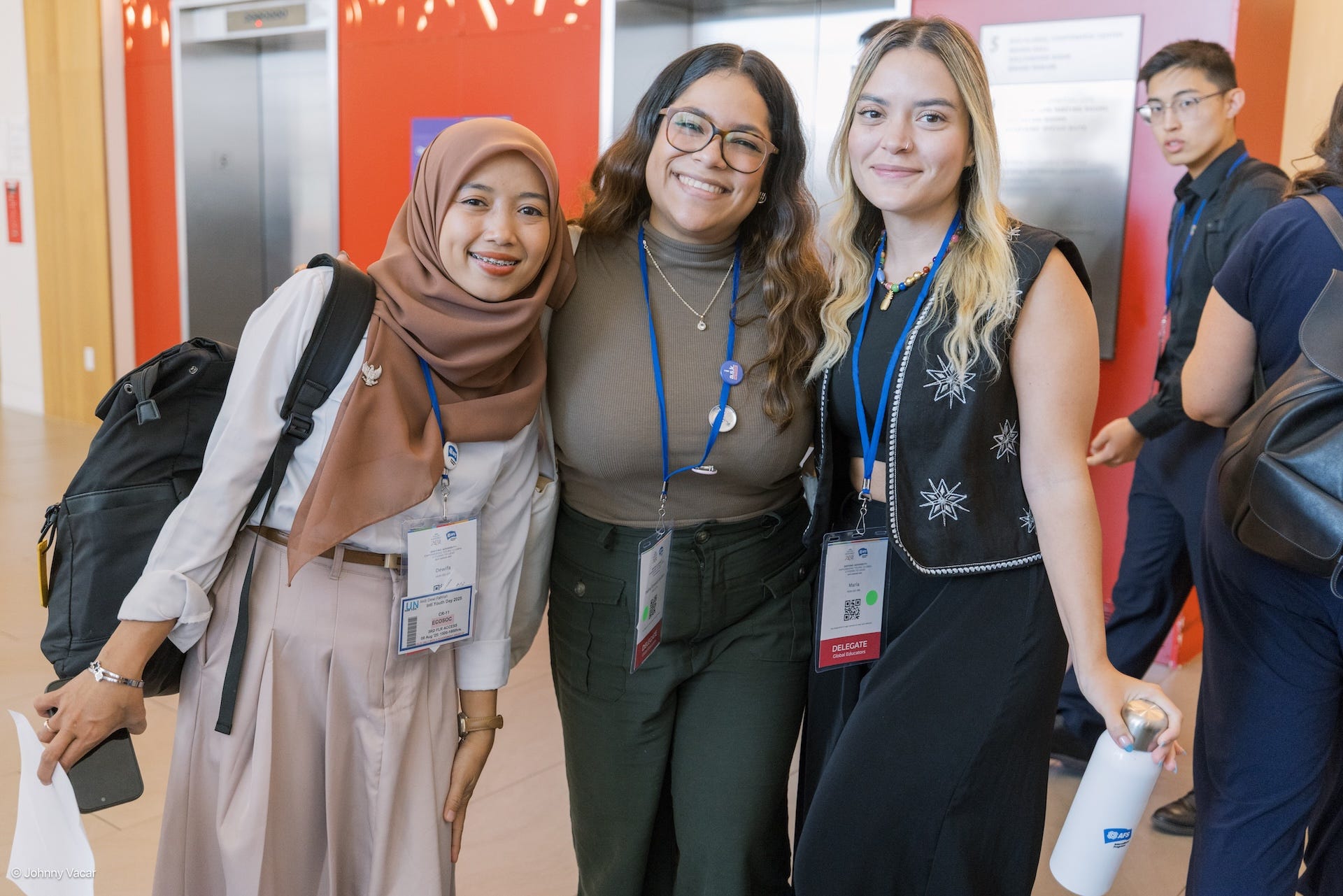
At AFS Intercultural Programs, we have long understood that intercultural exchange is more than a fun travel experience. It is the environment that molds future leaders and brings positive effects to entire communities. Today, global competence is not an elective skill; instead, it is the core requirement for effective leadership in a rapidly transforming world.
Why Global Competence Is No Longer Optional
For decades, leadership was defined by expertise. However, as our world becomes increasingly interconnected, a leader who cannot navigate cultural nuances is inherently limited. Global competence is the ability to examine intercultural issues and engage in appropriate and effective connections with others, across differences. Without this skill, you are effectively silent in the most important conversations of our time.
We know that the world needs more active global citizens, which is why all AFS programs are designed to help individuals to gain or increase their ability in these four crucial areas:
Value and belong to a common and diverse world
Inquire critically about the world beyond immediate environments
Understand and relate to others across differences
Take action toward collective well-being
Ultimately, these active global citizens are people whose informed, compassionate, and ethical compass drives them to lead lives and make decisions that contribute to a more just, equitable, peaceful, and sustainable world.
How Global Competence Becomes A Superpower
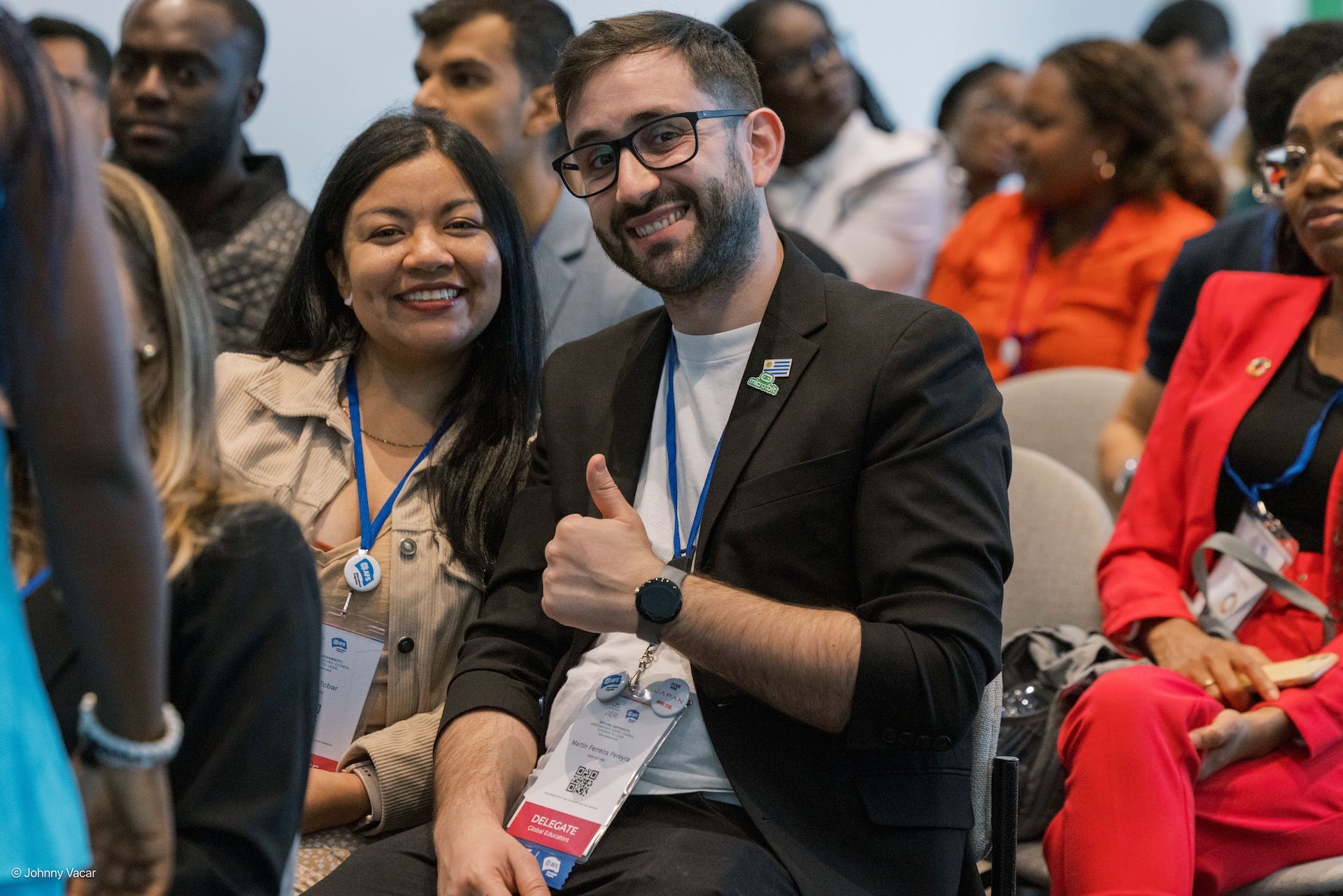
Our secret recipe for building global competence as a superpower is based on three simple ingredients: immersive experiences, combined with structured and facilitated learning, and ample opportunities for real-world social impact. The AFS Youth Assembly is a perfect example of that recipe in practice.
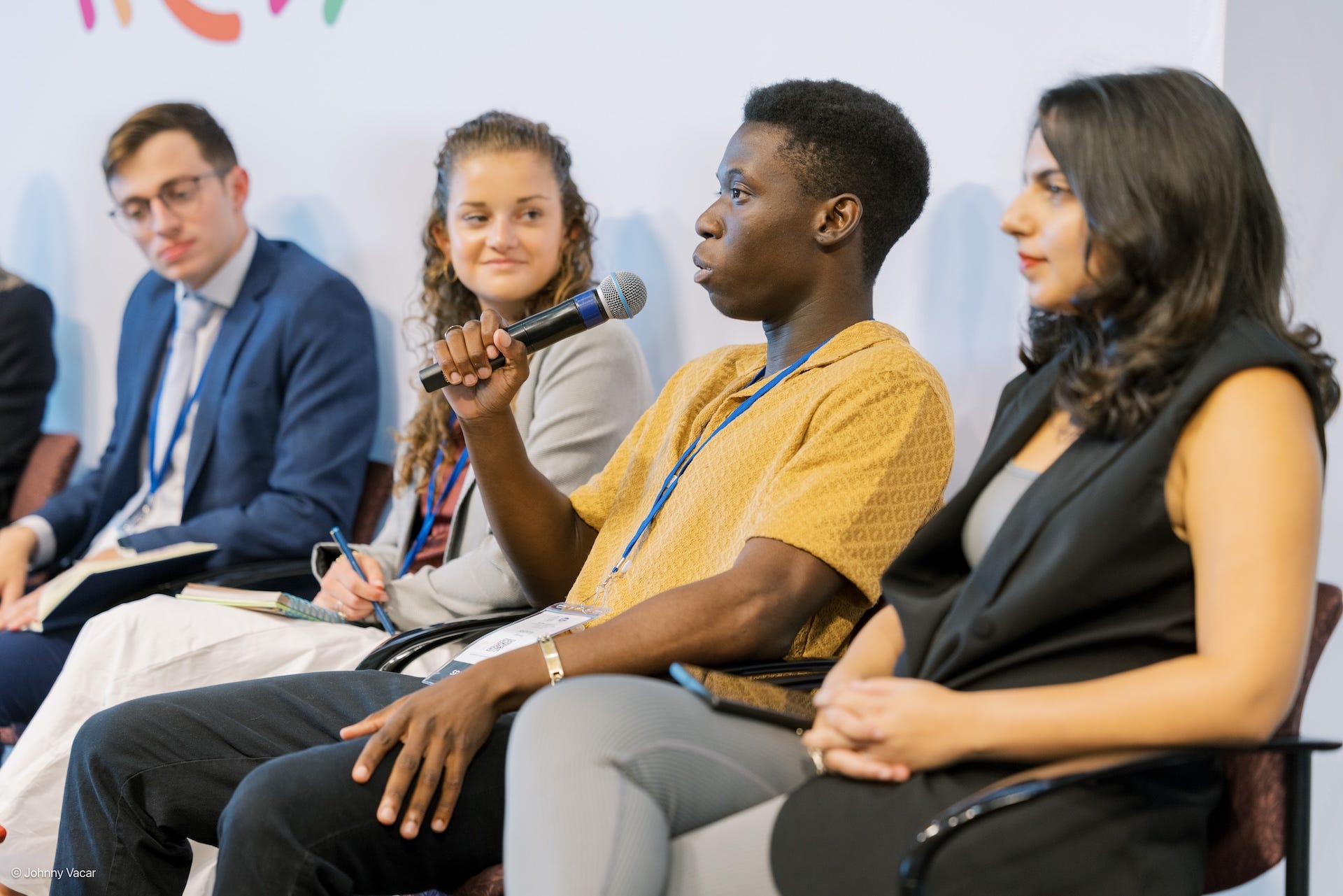
We embed a 2.5-day conference (with numerous opportunities to learn, connect and grow) into a year-round ecosystem. Our theme for this year’s AFS Youth Assembly, “Rise. Reimagine. Rebuild: A World for All” brings that vision to life. Through our Impact Network, we stand by leaders during the “chaotic middle” or the difficult initial phases of an initiative, all the way to the global stage where impact is scaled. Our 2025 Alumni Impact Network Report is the living evidence of what happens when you combine youth passion with continuous institutional support.
Meaningful leadership in 2026 begins with a vision. In a world of increasing polarization, a “dream” is not a luxury, it is the seed of hope that sustains you through the hardest moments. You have to imagine the impact you want to make before you can create it. And to turn that vision into reality, you need three markers of global competence:
Minimizing Assumptions (The RRT Ritual): Global leaders never assume a solution is “one size fits all.” They are aware of their biases, identify what they can do independently, and seek local partners to fill the gaps. We encourage the RRT Ritual: Read, Research, and Talk to everyone. In solution-building, information isn’t just data, it’s real power.
Sincerity in Solution: It is easy to speak from the heart about a problem, but it takes rigorous planning to be clear about the solution. True global competence is the ability to translate cross-cultural “heart” into a sustainable “summary and mission.”
Self-Sustaining Impact: Great ideas often start with small budgets (or no budget). A globally competent leader knows how to do as much as possible with as little as possible, ensuring their project survives the startup years. Most importantly, they aren’t afraid to ask for help from anyone, anywhere at any stage.
This is the AFS work in action: taking global fluency and applying it to local challenges. We don’t just bring the world together at the Youth Assembly; we arm youth with the tools to take that world back home. By empowering youth to be globally fluent problem-solvers, we ensure that local communities benefit from a world of diverse perspectives. This “Global-to-Local” pipeline is how we scale impact.
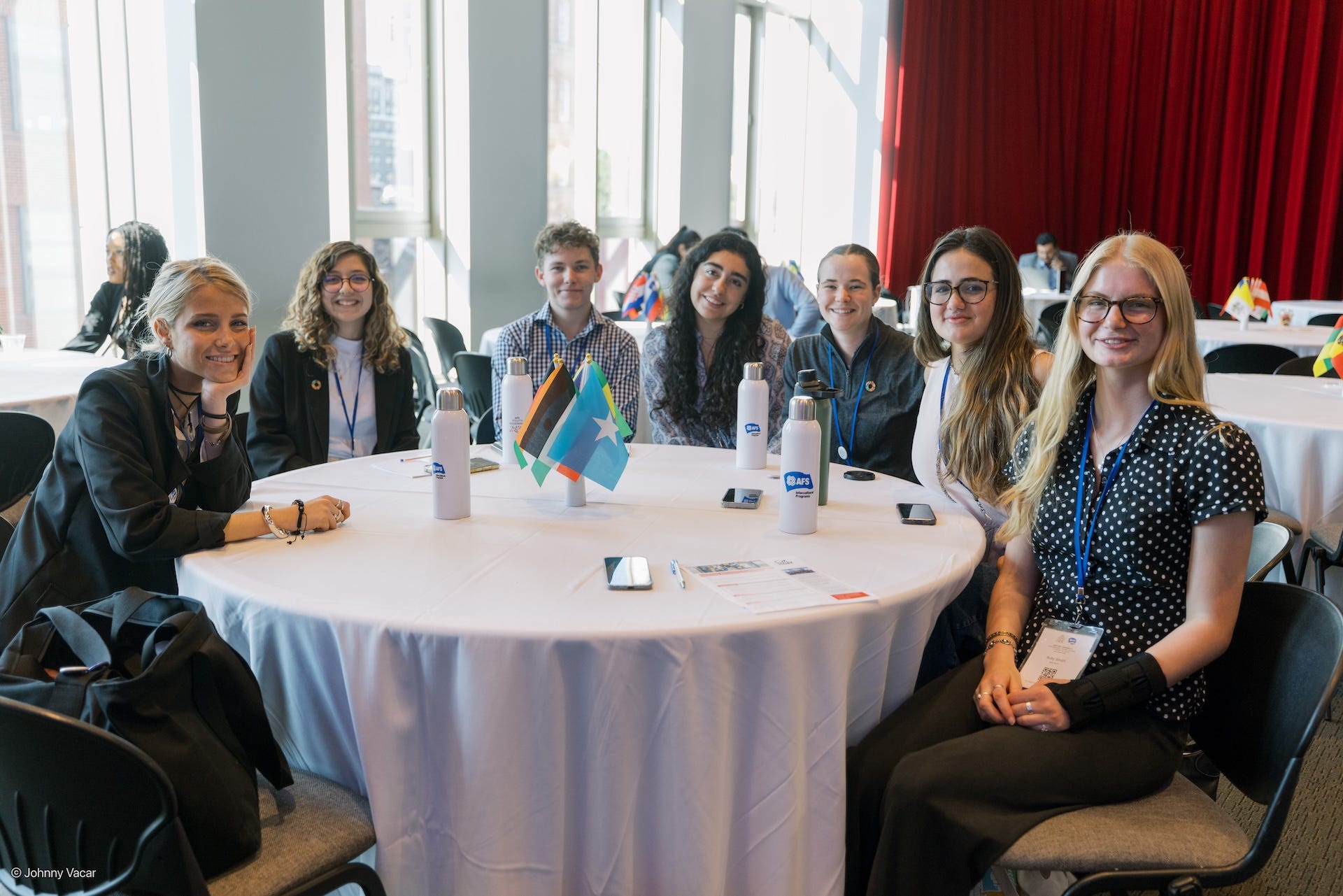
An example of this cross-cultural and cross-regional collaboration is the Global Youth Responsibility Alliance (GYRA) Project led by youth leaders from Europe, Africa, Asia, and Oceania. Together, they are tackling climate justice and human rights, holding Global North corporate practices accountable for their impact on Global South communities.
Breaking Down the Barriers
Despite the clear benefits, access to these experiences remains unequal. AFS is committed to dismantling these barriers through:
Scholarship Expansion: Ensuring leadership pathways are determined by talent, not where you live.
Virtual Exchange: Providing intercultural learning to those who cannot physically travel.
Ecosystem Collaboration: Partnering across sectors to embed global competence in a life-long learning journey.
Leadership in 2026 and Beyond
What does meaningful global youth leadership look like? It looks like a changemaker who understands their “tribe” is humanity.
At AFS, we aren’t just sending students on trips or convening them at a conference in Geneva; we are building a global infrastructure of solution miners, grounded in the values of peace and justice. Through the AFS Youth Assembly, we provide the tools to practice, refine, and implement solutions. The world doesn’t just need more leaders; it needs more active global citizens. And we are proud to be the path through which they find their way.